Saudi Shut the Hormuz Bypass. Diesel Still Runs the Bill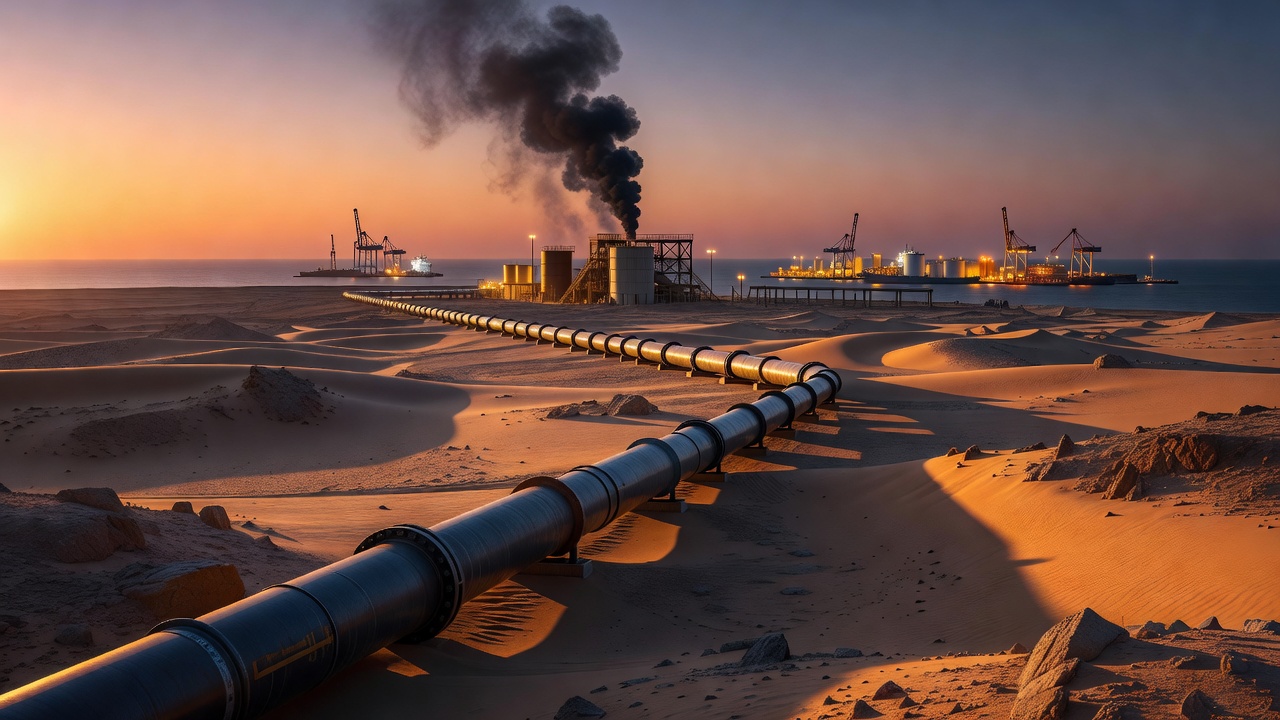 After drones launched from Iraq hit Saudi Arabia's East-West crude pipeline in the Riyadh and Medina regions, the Energy Ministry shut the whole line as a precaution. Fires and damage showed up on satellite images. People were hurt. Riyadh said it would hold fire for now so Baghdad could police its own soil. The pipe runs roughly **750 miles** from the Gulf oil heartland to Yanbu on the Red Sea, with nameplate capacity near **7 million barrels a day**. In this war stretch, with the Strait of Hormuz locked down for normal Gulf exports, it became the main way Saudi crude still left the peninsula. Ship trackers and analysts put recent flows around **4 to 5 million barrels a day**, on the order of **4% to 5%** of global supply. Aramco's CEO had already said the bypass mattered more than emergency stock releases for keeping barrels moving. My take is simple. Energy stocks bounce first when a Saudi artery closes. The trend that moves ordinary America the most is still **diesel and the freight chain** that hauls food, packages, and parts on that fuel. ## What actually broke Think of the East-West line as the kingdom's Plan B after Iran turned Hormuz into a choke. Crude that used to load on the Gulf side gets pumped west and loaded at Yanbu instead. The International Energy Agency has already described how Saudi Red Sea loadings more than doubled earlier in this conflict, past **5 million barrels a day** at the peak of that pivot. Now Plan B is offline while Iran-aligned Houthis press the Red Sea exit hard. They have hit Saudi energy sites, declared a maritime squeeze, and advanced toward the Bab el-Mandeb choke that connects the southern Red Sea to world markets. With the Gulf exit blocked, the bypass pipe shut, and the southern Red Sea getting meaner, the market is pricing stacked chokepoints. Oil answered in plain English. Brent punched through **$100** and briefly flirted near **$110** on the scare before settling back in the mid-**$100s**. West Texas followed above **$100**. The week finished more than **8%** higher on crude after the pipeline news and the broader Middle East fight. Energy sector funds stayed green while a lot of the rest of the market paid the inflation tax. ## Why diesel is the seat that matters Crude is the headline barrel. Diesel is the American work fuel. Trucks, rail yards, farm equipment, construction fleets, and delivery logistics burn middle distillates. When that price rips, the surcharge shows up in grocery aisles and online carts long before most people check a crude chart. This week the national average for diesel cleared **$6 a gallon** for the first time on tracker reads from AAA and GasBuddy, with some California stations far higher. EIA's weekly highway diesel survey was already near **$5.97** for the week of September 7 and climbing fast. Inventories sit about **13%** under the five-year average, a tight tank at a bad time. Energy equities are the clean first trade. The energy select fund finished the week higher, and oil majors like Exxon (XOM) and Chevron (CVX) rose with the barrel. Households still feel a different meter. Airlines and transport names spent the same stretch fighting jet fuel and freight costs even when they bounced off the lows. For people like you and me, we are not loading giant tankers. We are paying for gallons that move everything else we buy. A short Saudi outage that restarts clean would bleed risk out of the complex. A slow repair under more drone pressure, plus Houthi pressure near Bab el-Mandeb, keeps diesel in the driver's seat for inflation across trucking, food distribution, and retail restock. ## What would change the read Watch whether the East-West line returns at real volume, whether Yanbu loadings stabilize, and whether U.S. diesel backs off **$6** while crude holds a calmer range. If barrels flow and pump prices cool, energy can keep a war-risk premium without torching every freight margin. If the pipe stays dark, Hormuz stays closed, and Red Sea risk stays hot, diesel keeps taxing Main Street even on days energy stocks look like winners on the screen. I am not asking anyone to trade a single ticker off a ministry statement. The cost center that screams first when Saudi's Hormuz bypass goes dark is already on the pump sticker. ## Bottom Line Drones from Iraq forced a precautionary shutdown of Saudi Arabia's East-West pipeline, the **7-million-barrel** Hormuz bypass that had been moving roughly **4 to 5 million barrels a day** to the Red Sea. Crude above **$100** lights up energy names first. The trend that moves America hardest is diesel already past **$6 a gallon**, because freight, food, and delivery run on that fuel long after the tape stops cheering oil producers.