Aramco Just Said the Oil Cushion Is Gone for Two Years
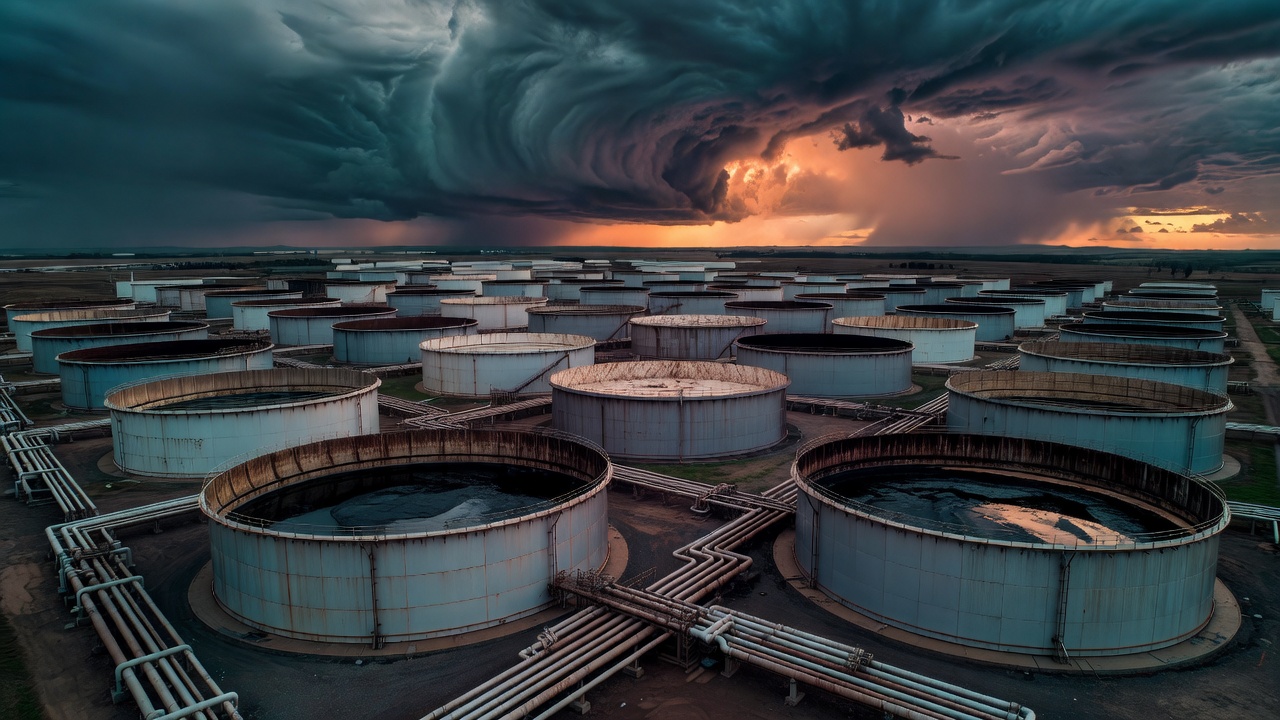
The head of the world’s biggest oil company just walked into a London energy conference and said the quiet part out loud.
Saudi Aramco CEO Amin Nasser told the Energy Intelligence Forum that global oil stockpiles are “scarily thin.” He said pressure on crude and refined fuel will keep building until the Strait of Hormuz fully reopens and confidence comes back. Even then, he said, refilling inventories while the world still burns oil could take up to two years.
My take is simple. A softer week in the oil tape and a G7 drip from emergency tanks are not the same thing as a fixed market. The shock absorber is worn down.
What “scarily thin” actually means
Nasser put hard numbers on a war that has already run about seven months.
He said the world entered this crisis with almost 10 billion barrels of oil stocks. Since the U.S.-Iran fight kicked off in February, nearly 3 billion barrels of gross supply have been lost from the region. That is roughly half the crude and refined fuel that would normally have moved through Hormuz over the same stretch. More than 1 billion barrels have been pulled from stocks to cover the hole. Most of those draws came from company-held commercial inventories, not only government strategic piles.
He now puts commercial inventories at less than 6 billion barrels, with the vast majority not practically available because of location, quality, and technical limits. A lot of what still sits in tanks cannot show up as a quick rescue cargo the way a spreadsheet line suggests.
“The system is already straining,” he said. Commercial stock is the last major tool left in the box. That is why he called the supply resilience cushion scarily thin.
Why a G7 release does not end the story
Days before his speech, G7 countries lined up with the International Energy Agency on a coordinated release of up to 100 million barrels of oil and fuel over about four months, with diesel front-loaded early.
That is real help for a winter price spike. It is not a rebuild plan. Emergency reserves might buy economies some time. They cannot fix a long-term supply gap. Each release spends the buffer. It does not put the buffer back.
Hormuz still sits at the center. The narrow waterway normally handles about one-fifth of the world’s petroleum liquids. Gulf producers have improvised with their own tankers, Red Sea routes, and Saudi Arabia’s East-West pipeline. Aramco has restored East-West flows to about 80% of capacity after an attack last month. Crude flows have clawed back toward pre-war levels. Markets still flinch on every Gulf headline.
Brent has been hovering near $100 a barrel after a soft session on the G7 news. Those are still expensive barrels if you run a truck fleet, a factory, or a household budget. Nasser also said refined fuel has climbed even harder than crude. That matches what people feel at the pump and on freight bills.
The two-year clock is the real tell
Here is the part Wall Street likes to skim past when oil dips for a day.
Even after Hormuz fully reopens, producers still have to feed daily demand and restock what got burned. Nasser said that rebuild can take up to two years. Some of the same briefing math points to something like an extra 2 million barrels a day of need while inventories refill, and more if countries want thicker strategic piles than before.
So the market is not only pricing today’s ships. It is pricing a long catch-up. Spare capacity, storage outside one chokepoint, and companies that can move product when commercial tanks are empty all matter more in that world. So do diesel margins and freight costs that refuse to roll over just because a headline says oil fell.
As for me, I respect Aramco saying the cushion is thin more than I respect cable victory laps about a single release. When the world’s largest producer says commercial inventory is the last tool and the refill takes years, treat that as an operating map, not a sound bite.
What it means if you buy gallons, not barrels
Most of us do not trade cargoes. We buy gasoline, diesel, heating fuel, and everything that rides on a truck.
Thin commercial stock means less room for the next shock before prices jump again. A two-year rebuild means fuel can stay tight long after the shooting news fades. Grocery shelves, construction, airlines, and small manufacturers all sit downstream of that.
American shale still pumps hard. None of that erases a global inventory hole this size overnight. If Hormuz stays messy, the hole gets deeper. If it clears and producers still have to restock for years, the cheap-oil-forever fantasy stays on ice.
Bottom Line
Aramco’s warning is that the world’s oil cushion is already worn thin after billions of barrels of lost supply and inventory draws. G7 releases can soften a winter. They do not refill the tanks. Even after Hormuz fully reopens, rebuilding stock while meeting demand can take up to two years, and that is the clock households and markets are really on.